
Few dental procedures carry more undeserved fear than the root canal. Mention it in conversation and you’ll likely see someone wince — even though the reality of modern root canal treatment is far removed from the outdated reputation it carries. In truth, a root canal doesn’t cause pain. It relieves it. At Honest Dental Services in Miami, Dr. Isabel Sepulveda performs root canal treatments with a focus on patient comfort, precision, and long-term outcomes — so you can walk in anxious and walk out relieved.
What Is a Root Canal?
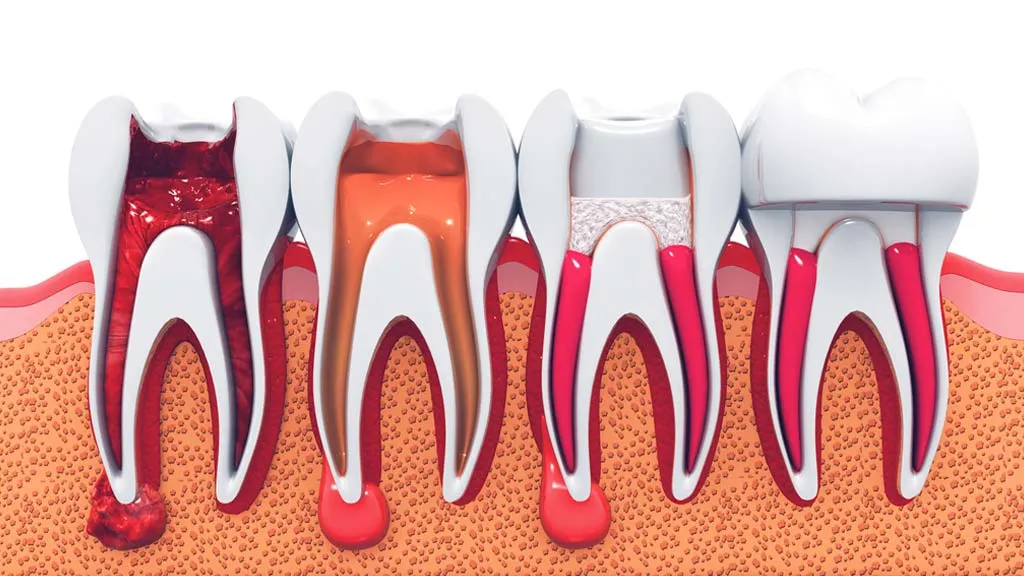
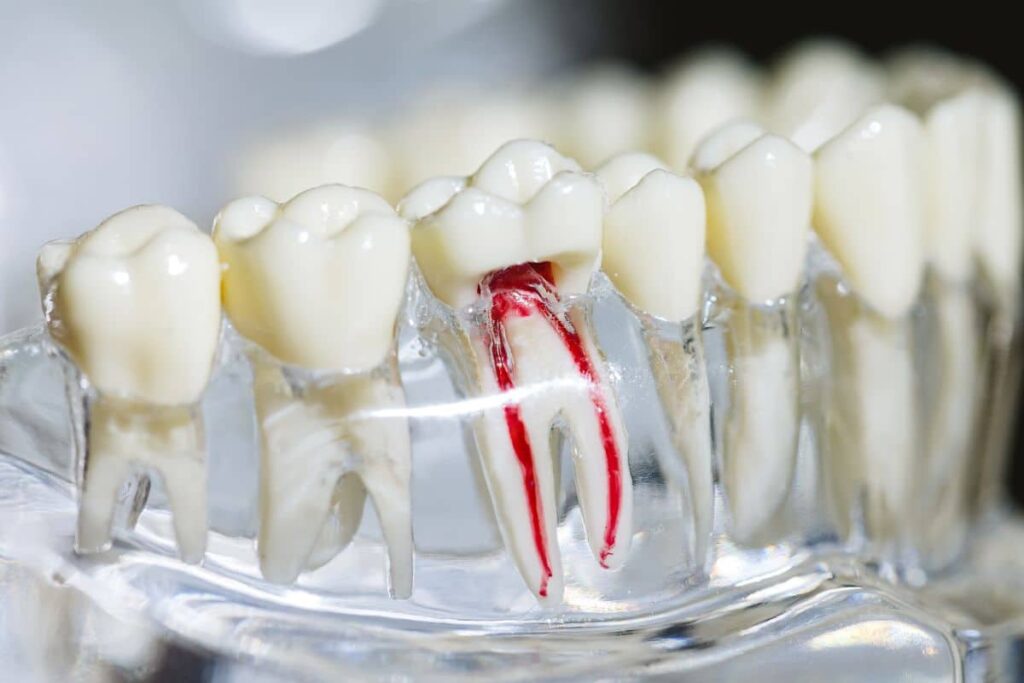
A root canal is a dental procedure designed to save a tooth that has become severely infected or inflamed at its core. Inside every tooth, beneath the hard enamel and dentin, lies a soft tissue called the pulp — a collection of nerves, blood vessels, and connective tissue that helped form the tooth during development. When the pulp becomes infected or dies, it must be removed to eliminate the infection and preserve the tooth structure.
The procedure involves:
- Removing the infected or inflamed pulp from inside the tooth
- Cleaning and disinfecting the inner canals of the tooth root
- Shaping and filling the canals with a biocompatible material called gutta-percha
- Sealing the tooth and, in most cases, placing a crown to restore full strength and function
The result is a tooth that looks and functions normally — with no living nerve tissue left inside to cause further pain.
Why Would You Need a Root Canal?
Root canal treatment becomes necessary when the pulp inside a tooth is compromised beyond recovery. The most common causes include:
Deep Tooth Decay
When a cavity is left untreated long enough, decay works its way through the enamel and dentin and eventually reaches the pulp. At this stage, a simple filling is no longer sufficient — the infected tissue must be removed. This is one of the most preventable causes of root canal treatment, which is why catching cavities early matters so much. Know the warning signs: 5 Signs You Might Have a Cavity – When to Visit a Dentist in Miami.
Cracked or Fractured Tooth
A crack that extends deep enough into the tooth can expose the pulp to bacteria, leading to infection. This can happen gradually over time or suddenly from trauma or biting something hard.
Repeated Dental Procedures on the Same Tooth
A tooth that has undergone multiple restorations can become irritated and inflamed over time, eventually leading to pulp damage even without decay or trauma.
Dental Trauma
A blow to the mouth — from a sports injury, fall, or accident — can damage the pulp even if the tooth appears intact on the outside. In some cases, the pulp dies gradually following trauma, requiring root canal treatment months or even years later.
Dental Abscess
An abscess — a pocket of infection at the root tip — is often the direct result of untreated pulp infection. If you have been experiencing throbbing pain, swelling, or a pimple-like bump on your gum, you may already have an abscess requiring immediate treatment. Read our complete guide on dental emergencies: What to Do in a Dental Emergency in Miami.
Symptoms That May Indicate You Need a Root Canal
Root canal infections don’t always announce themselves with dramatic pain. In some cases, a dying pulp causes very little discomfort initially. However, common indicators include:
- Persistent, severe toothache — especially throbbing pain that doesn’t subside
- Prolonged sensitivity to heat or cold that lingers after the trigger is removed
- Darkening or discoloration of the tooth
- Swelling or tenderness in the nearby gums
- A persistent pimple or bump on the gum near the affected tooth
- Pain when biting or applying pressure to the tooth
- A bad taste in the mouth that doesn’t resolve with brushing
Some patients experience no symptoms at all — the infection is discovered only through X-rays during a routine checkup. This is another compelling reason why regular dental visits are non-negotiable: How Often Should You Visit the Dentist in Miami?
Does a Root Canal Hurt?
This is the question nearly every patient asks — and the honest answer is: no, not the procedure itself. Root canal treatment is performed under local anesthesia, which thoroughly numbs the tooth and surrounding tissue before any work begins. Most patients report that the procedure feels no different from having a routine filling placed.
What does cause pain is the infection itself — the throbbing, pressure, and sensitivity you feel before treatment. The root canal is what ends that pain, not what causes it.
Some mild soreness and sensitivity in the treated area for a few days after the procedure is normal as the tissues heal. This is typically managed comfortably with over-the-counter pain relievers and resolves quickly.
What Happens During a Root Canal Procedure?
Step 1: Examination and X-Rays
Dr. Sepulveda begins with a thorough clinical examination and dental X-rays to assess the extent of the infection and the anatomy of the root canals. This information guides the entire procedure.
Step 2: Anesthesia
Local anesthesia is administered to completely numb the tooth and surrounding area. For anxious patients, additional comfort measures can be discussed during your consultation.
Step 3: Access Opening
A small opening is made through the top of the tooth to access the pulp chamber and root canals beneath.
Step 4: Pulp Removal and Canal Cleaning
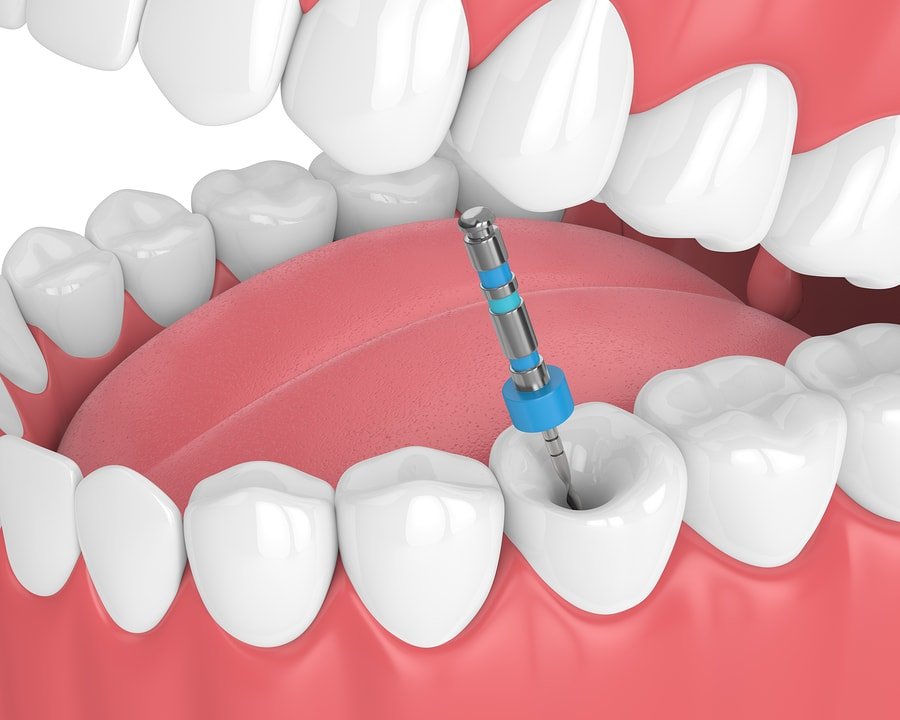
Using specialized instruments, the infected or dead pulp tissue is carefully removed from the pulp chamber and each root canal. The canals are then shaped and thoroughly disinfected with antibacterial solutions to eliminate remaining bacteria.
Step 5: Filling the Canals
The cleaned canals are filled with gutta-percha — a rubber-like biocompatible material — and sealed with dental cement to prevent reinfection.
Step 6: Restoration
In most cases, a tooth that has undergone root canal treatment requires a crown to protect it from fracture and restore full chewing function. At Honest Dental Services, crowns are part of our comprehensive restorative dentistry services in Miami.
Root Canal vs. Tooth Extraction: Why Saving the Tooth Matters
When a tooth is severely infected, some patients wonder whether extraction might be the simpler option. In most cases, saving the natural tooth through root canal treatment is strongly preferable for several important reasons:
- Natural teeth function better than any replacement — implants, bridges, and dentures are excellent but never fully replicate the function of your own tooth
- Bone preservation — when a tooth is extracted, the jawbone beneath begins to resorb. A natural tooth root, or an implant, prevents this loss
- Neighboring teeth remain undisturbed — a missing tooth causes adjacent and opposing teeth to shift over time, creating bite and alignment problems
- Cost efficiency — while root canal treatment has an upfront cost, replacing an extracted tooth with an implant or bridge typically costs significantly more in the long run
There are situations where extraction followed by implant placement is the right decision — particularly when a tooth is too damaged to be restored. Dr. Sepulveda will always present you with a complete picture of your options so you can make an informed choice. If implant replacement is ultimately necessary, our full guide covers everything you need to know: Dental Implants in Miami: Everything You Need to Know Before Getting One.
How Long Does a Root Canal Last?
A properly performed root canal followed by an appropriate restoration — typically a crown — can last a lifetime. Studies show success rates above 95% when the procedure is performed correctly and the tooth is properly restored and maintained.
The key factors that influence longevity are the quality of the restoration placed after the procedure and the patient’s commitment to ongoing oral hygiene and regular professional cleanings. Teeth that have had root canals are no longer living but still require the same daily care as natural teeth to protect the surrounding gum and bone tissue.
Root Canal Treatment in Miami — Honest Dental Services
At Honest Dental Services, we have helped countless Miami patients move from debilitating tooth pain to complete comfort through professional, carefully performed root canal treatment. Dr. Isabel Sepulveda combines clinical expertise with a genuinely patient-centered approach — taking the time to explain every step, answer every question, and ensure you feel fully at ease before treatment begins.
We offer root canal treatment as part of our comprehensive restorative dentistry services in Miami, and we accept most major dental insurance plans with flexible payment options available. For patients who cannot easily travel to our office, our <stron