
Dental emergencies don’t follow a schedule. A knocked-out tooth at a weekend soccer game, a cracked molar in the middle of the night, or sudden severe tooth pain with no warning — these situations are stressful, painful, and often confusing. Knowing exactly what to do in the first critical minutes can mean the difference between saving a tooth and losing it permanently. At Honest Dental Services in Miami, we offer 24/7 emergency dental services so that when the unexpected happens, you’re never left without professional support.
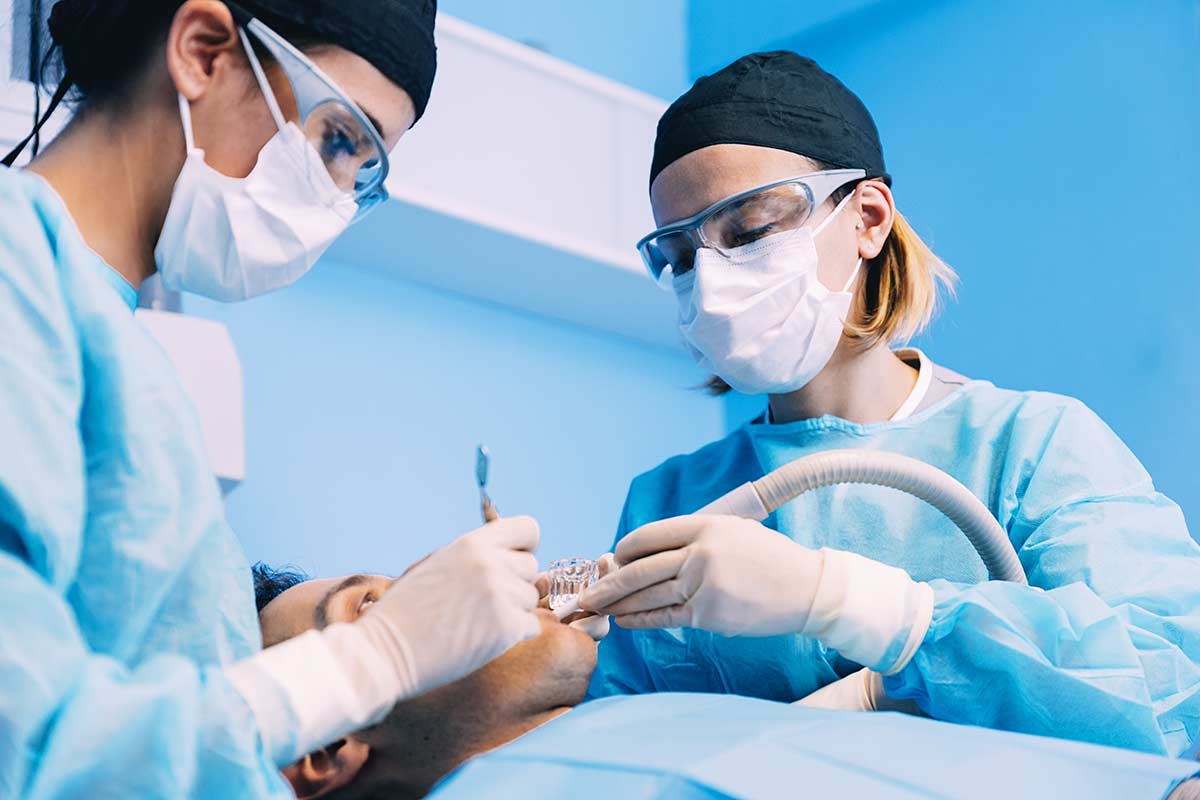
What Counts as a Dental Emergency?
Not every dental issue requires immediate emergency care, but some situations absolutely cannot wait for a regular appointment. A dental emergency is any condition that involves:
- Severe, uncontrolled tooth or jaw pain
- A knocked-out (avulsed) tooth
- A cracked, broken, or fractured tooth with sharp pain or exposed nerve
- A lost filling or crown that causes significant sensitivity or pain
- A dental abscess or swelling in the gums, jaw, or face
- Uncontrolled bleeding in the mouth following trauma or extraction
- A soft tissue injury to the lips, tongue, or cheeks that won’t stop bleeding
- A broken orthodontic wire or appliance causing injury to soft tissue
If you are experiencing any of the above, call Honest Dental Services immediately at 305-456-8046. Our team is available around the clock to guide you and, when necessary, see you same-day.
Common Dental Emergencies and What to Do Right Now
1. Knocked-Out Tooth
A knocked-out tooth is one of the true dental emergencies where every minute counts. If handled correctly, a tooth that has been completely knocked out can often be successfully reimplanted — but the window is narrow.
What to do:
- Pick up the tooth by the crown (the white part) — never touch the root
- If the tooth is dirty, rinse it gently with clean water — do not scrub or use soap
- If possible, try to reinsert the tooth gently into its socket and hold it in place by biting down softly on a clean cloth
- If reinsertion isn’t possible, store the tooth in a small container of milk, saline solution, or your own saliva — never let it dry out
- Get to a dentist within 30 to 60 minutes — this is the critical window for successful reimplantation
2. Cracked or Fractured Tooth
A cracked tooth can range from a minor cosmetic chip to a serious fracture that exposes the nerve or splits the tooth to the root. Pain when biting, sharp sensitivity to temperature, or visible damage are all signs you need immediate evaluation.
What to do:
- Rinse your mouth gently with warm water
- Apply a cold compress to the outside of your cheek to reduce swelling
- Avoid chewing on the affected side
- If a sharp edge is cutting your tongue or cheek, cover it with a small piece of dental wax or sugarless gum as a temporary measure
- Call your dentist as soon as possible — do not attempt to glue the tooth yourself
3. Severe Toothache
Sudden, intense tooth pain is your body’s way of signaling that something is seriously wrong — often an infection, abscess, or advanced decay that has reached the nerve. This is not a situation to manage with painkillers and hope it resolves on its own.
What to do:
- Rinse with warm salt water to help reduce inflammation and clear debris
- Take an over-the-counter pain reliever such as ibuprofen — do not place aspirin directly on the gum or tooth, as this can cause tissue burns
- Apply a cold compress externally to manage swelling
- Call your dentist immediately — a dental abscess, if left untreated, can spread to the jaw, neck, and in rare cases, become life-threatening
If the pain is accompanied by fever, difficulty swallowing, or significant facial swelling, go to an emergency room while simultaneously contacting your dentist. This may indicate a spreading infection that requires urgent medical attention beyond dental care.
4. Lost Filling or Crown
Losing a filling or crown exposes the underlying tooth structure, which can be extremely sensitive and vulnerable to further damage. While not always an acute emergency, it should be addressed within 24 to 48 hours.
What to do:
- Keep the crown if you have it — your dentist may be able to recement it
- Apply a small amount of dental cement (available at most pharmacies) or sugar-free gum to temporarily cover the exposed area
- Avoid very hot, cold, or hard foods on that side
- Call Honest Dental Services to schedule a same-day or next-day appointment
5. Dental Abscess
An abscess is a pocket of pus caused by a bacterial infection inside the tooth or in the surrounding gum tissue. It typically appears as a painful, swollen bump on the gum and may be accompanied by fever, persistent throbbing pain, and a foul taste in the mouth.
What to do:
- Do not attempt to pop or drain the abscess yourself
- Rinse gently with warm salt water several times a day to help draw out infection and relieve discomfort
- Take over-the-counter pain relief as needed
- Seek dental care immediately — an untreated abscess will not resolve on its own and can spread rapidly
If you’ve been ignoring early warning signs of decay, an abscess can be the result. Learn to recognize the early signals before they escalate: 5 Signs You Might Have a Cavity – When to Visit a Dentist in Miami.
6. Soft Tissue Injuries
Cuts, lacerations, or puncture wounds to the lips, tongue, cheeks, or gums from a fall, accident, or sports injury can bleed heavily and be alarming — but are often manageable with the right first-aid steps.
What to do:
- Rinse your mouth gently with clean water
- Apply firm, gentle pressure with a clean cloth or gauze to control bleeding
- Apply a cold compress to reduce swelling
- If bleeding does not stop within 15 to 20 minutes, go to an emergency room
- Contact your dentist to assess whether any dental structures were also affected
What to Keep in a Home Dental Emergency Kit
Being prepared before an emergency happens can significantly reduce panic and improve outcomes. Consider keeping the following items at home:
- Dental cement or temporary filling material (available at pharmacies)
- Dental wax for covering sharp edges
- Sterile gauze pads
- A small container with a lid (for storing a knocked-out tooth)
- Over-the-counter pain reliever (ibuprofen or acetaminophen)
- Saline solution
- Your dentist’s emergency contact number — program it into your phone now
How to Avoid Dental Emergencies
While accidents are unpredictable, many dental emergencies are the direct result of untreated dental issues that were allowed to progress. Cavities that go unfilled eventually reach the nerve and cause abscesses. Cracked teeth that aren’t evaluated early can split entirely. Gum disease that isn’t treated leads to tooth loss.
The single most effective strategy for preventing dental emergencies is maintaining a consistent schedule of professional checkups and cleanings. When Dr. Sepulveda examines your teeth regularly, she can identify and address problems at a stage when treatment is simple — before they become after-hours crises. If you’re not sure how often you should be coming in, start here: How Often Should You Visit the Dentist in Miami?
Additional prevention tips include:
- Wearing a mouthguard during contact sports
- Avoiding using your teeth to open packaging, bottles, or other objects
- Not chewing on ice, hard candies, or unpopped popcorn kernels
- Addressing teeth grinding with a custom night guard before it leads to fractures
- Treating cavities promptly — before they deepen into the nerve
24/7 Emergency Dental Care in Miami — Honest Dental Services
At Honest Dental Services, we built our practice around a simple principle: dental care should be available when you actually need it — not just during business hours. That’s why Dr. Isabel Sepulveda and our Miami team offer round-the-clock emergency dental support, including our unique mobile dental service that can come directly to your home when you’re in pain and unable to travel.
Whether it’s a knocked-out tooth at midnight, a lost crown before an important event, or a throbbing abscess on a Sunday, we are here. We accept most major dental insurance plans and will work with you on payment options so that financial concerns never delay urgent care.
Dental emergency in Miami? Don’t wait. Call us now at 305-456-8046 — available 24 hours a day, 7 days a week. We’re at 400 SW 27 Ave, Miami, FL 33135.