
Gum disease is one of the most prevalent dental conditions in the United States — and one of the most underestimated. Many people don’t realize they have it until it has already progressed to a stage where more aggressive treatment is required. The encouraging news is that when caught early, gum disease is highly treatable and even reversible. At Honest Dental Services in Miami, Dr. Isabel Sepulveda helps patients detect, treat, and prevent gum disease before it threatens their oral health and overall wellbeing.
What Is Gum Disease?
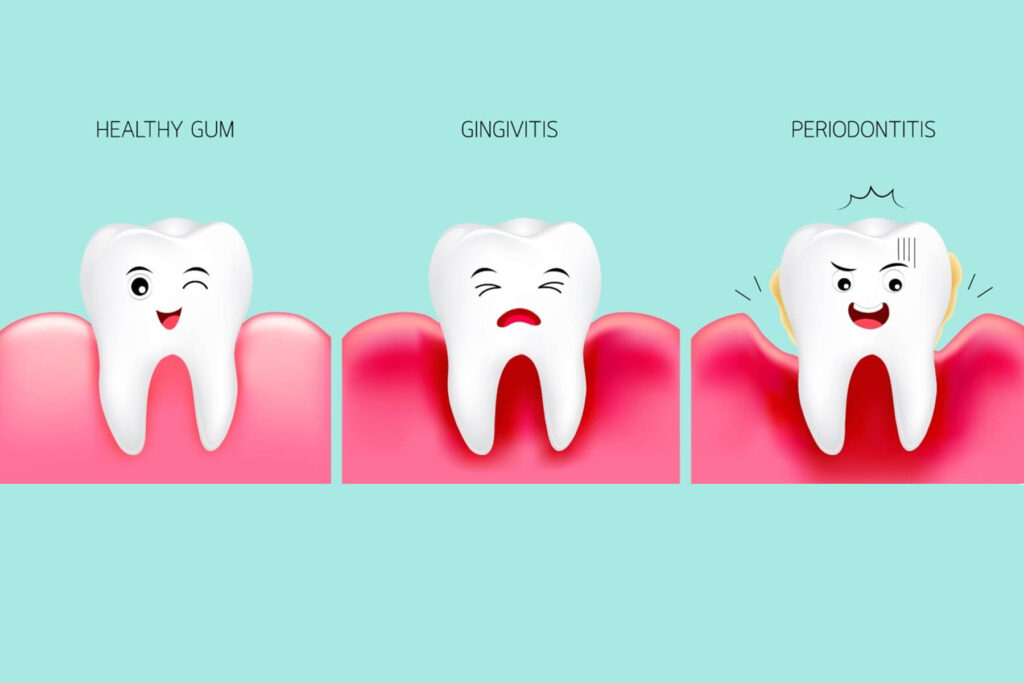
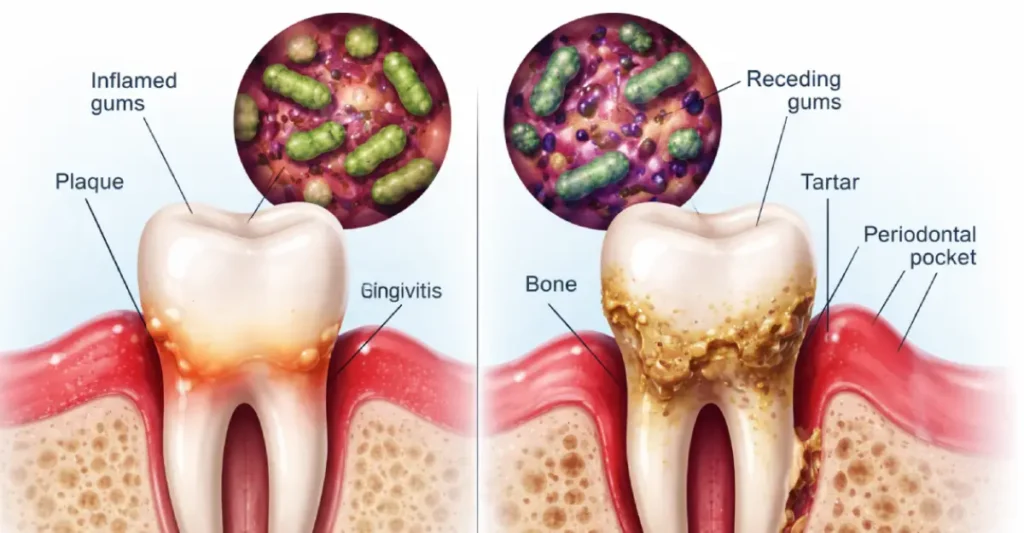
Gum disease, clinically known as periodontal disease, is a bacterial infection of the tissues that surround and support your teeth. It begins when plaque — a sticky film of bacteria — builds up along and beneath the gumline. If not removed through regular brushing, flossing, and professional cleanings, plaque hardens into tartar, which can only be removed by a dental professional.
Gum disease progresses in two main stages:
Gingivitis
Gingivitis is the earliest and mildest stage of gum disease. At this point, the infection is limited to the gum tissue and has not yet affected the bone or deeper structures. Gingivitis is fully reversible with proper treatment and improved oral hygiene habits.
Periodontitis
If gingivitis is left untreated, it can advance to periodontitis — a more serious condition where the infection spreads below the gumline, destroying the bone and connective tissue that hold your teeth in place. Over time, this leads to gum recession, tooth mobility, and eventually tooth loss. Unlike gingivitis, the damage caused by periodontitis cannot be fully reversed, only managed and stabilized.
Early Warning Signs of Gum Disease
One of the most dangerous aspects of gum disease is that it often develops silently, with little to no pain in its early stages. Knowing what to look for can make the difference between a simple cleaning and a complex surgical intervention. Watch for these warning signs:
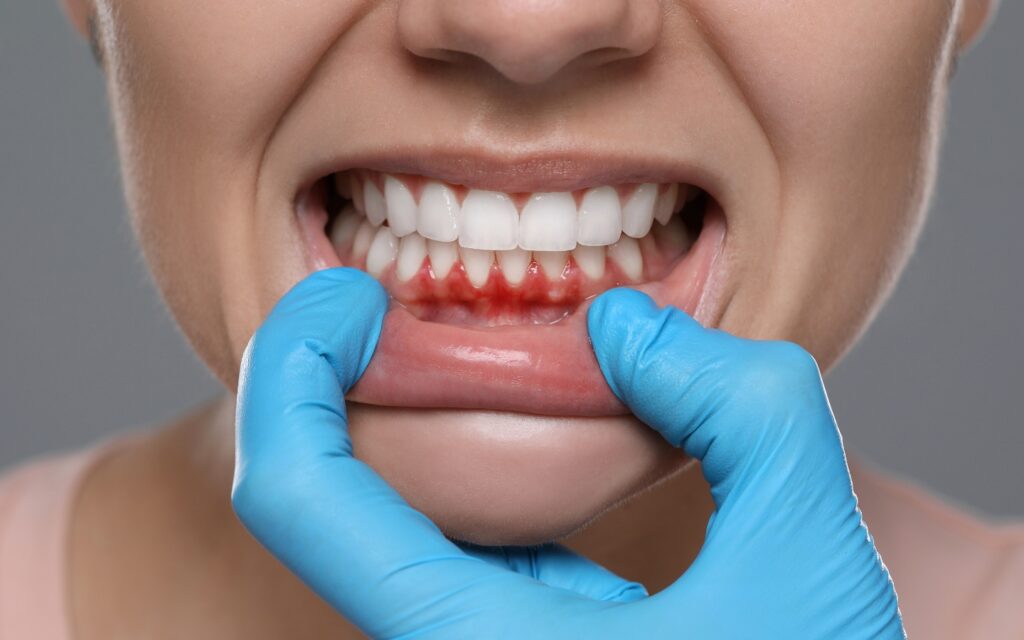
- Bleeding gums when brushing or flossing — this is the most common early indicator and should never be considered normal
- Red, swollen, or tender gums that appear puffy or inflamed rather than firm and pale pink
- Gum recession — teeth that appear longer than before as gums pull away from the tooth surface
- Tooth sensitivity caused by exposed root surfaces due to receding gums
- Loose or shifting teeth that feel different when biting
- Pus between teeth and gums — a clear sign of active infection
- Changes in your bite or the way your teeth fit together
If you are experiencing any of these symptoms, don’t wait. Early intervention is always more effective — and less invasive — than treating advanced periodontal disease. Learn more about why routine checkups are your best defense: How Often Should You Visit the Dentist in Miami?
Risk Factors for Gum Disease
While poor oral hygiene is the primary cause of gum disease, several other factors can significantly increase your risk:
Tobacco Use
Smoking and chewing tobacco are among the strongest risk factors for periodontal disease. Tobacco impairs blood flow to the gums, weakens the immune response, and makes it harder for gum tissue to heal — both naturally and after dental treatment.
Diabetes
The relationship between diabetes and gum disease runs in both directions. Uncontrolled blood sugar promotes bacterial growth and inflammation, increasing susceptibility to periodontal infection. Conversely, active gum disease can make blood sugar harder to control.
Hormonal Changes
Fluctuations in hormones during pregnancy, menstruation, or menopause can make gum tissue more sensitive and reactive to bacterial plaque, temporarily increasing the risk of gingivitis.
Medications
Certain medications — including antihypertensives, anticonvulsants, and immunosuppressants — can cause gum overgrowth or reduce saliva flow, creating conditions that favor bacterial buildup.
Genetics
Some individuals are genetically predisposed to gum disease, even with excellent oral hygiene habits. If periodontal disease runs in your family, more frequent professional monitoring is especially important.
Stress
Chronic stress suppresses immune function, making the body less capable of fighting off the bacteria responsible for periodontal infections.
Poor Nutrition
A diet low in vitamins C and D and other essential nutrients weakens the body’s ability to maintain healthy gum tissue and mount an effective immune response against infection.
How Is Gum Disease Treated?
Treatment depends on the stage and severity of the disease. At Honest Dental Services in Miami, Dr. Sepulveda develops individualized treatment plans designed to stop the progression of disease and restore gum health as effectively as possible.
Professional Dental Cleaning (Prophylaxis)
For patients with gingivitis or early-stage gum disease, a thorough professional cleaning to remove plaque and tartar buildup — both above and at the gumline — is often sufficient to reverse the condition when combined with improved home care. This is why consistent preventive visits are so critical: Professional Dental Cleaning: Why It Is Essential for Your Oral Health in Miami.
Scaling and Root Planing
For patients with periodontitis, a deeper cleaning procedure known as scaling and root planing is the standard non-surgical first-line treatment. This involves removing tartar and bacterial deposits from below the gumline and smoothing the root surfaces to discourage future bacterial attachment and promote gum reattachment. Honest Dental Services offers scaling and root planing as part of our preventive care services in Miami.
Antibiotic Therapy
In some cases, topical or oral antibiotics are prescribed alongside scaling and root planing to help eliminate persistent bacterial infection in the gum pockets.
Surgical Periodontal Treatment
When non-surgical treatment is insufficient to control advanced periodontitis, surgical options such as flap surgery or bone and tissue grafts may be necessary to restore the structures destroyed by the disease.
Ongoing Periodontal Maintenance
Once active gum disease has been treated, patients typically require more frequent professional cleanings — usually every 3 to 4 months rather than the standard twice-yearly schedule — to prevent recurrence and monitor gum health over time.
The Connection Between Gum Disease and Your Overall Health
Research over the past two decades has firmly established that periodontal disease is not just a mouth problem. Chronic gum infection and the resulting systemic inflammation have been linked to a growing list of serious health conditions, including:
- Cardiovascular disease — studies suggest a significant association between periodontal bacteria and increased risk of heart attack and stroke
- Type 2 diabetes — as noted above, the relationship is bidirectional
- Respiratory infections — bacteria from the mouth can be inhaled into the lungs, potentially contributing to pneumonia and other respiratory conditions
- Adverse pregnancy outcomes — periodontal disease in pregnant women has been associated with premature birth and low birth weight
- Alzheimer’s disease — emerging research suggests a possible link between chronic oral bacteria and cognitive decline
Taking care of your gums is, quite literally, taking care of your whole body.
How to Prevent Gum Disease
The foundation of gum disease prevention is consistent, thorough oral hygiene combined with regular professional care. Here’s what that looks like in practice:
- Brush at least twice daily using a soft-bristled toothbrush and fluoride toothpaste
- Floss once daily to remove plaque from between teeth and along the gumline — areas your toothbrush simply cannot reach
- Use an antibacterial mouthwash to reduce bacterial load in the mouth
- Avoid tobacco in all forms
- Eat a balanced diet rich in vitamins and minerals that support immune function and tissue health
- Manage systemic conditions such as diabetes with the help of your physician
- Schedule regular dental checkups and professional cleanings — the frequency that’s right for you depends on your individual risk profile
Gum Disease Treatment in Miami — Honest Dental Services
At Honest Dental Services, we take periodontal health seriously because we understand just how much is at stake. Whether you’re noticing the first signs of gingivitis or dealing with more advanced gum disease, Dr. Isabel Sepulveda and our Miami team will provide honest, thorough, and compassionate care at every stage of your treatment.
We offer comprehensive periodontal services — from routine cleanings and scaling and root planing to ongoing maintenance programs — all under one roof. We accept most major dental insurance plans and offer flexible payment options to ensure cost is never a reason to delay the care you need.
We also offer a mobile dental service for patients who are unable to visit our office, bringing professional gum disease evaluation and treatment directly to your home. And for urgent situations, our 24/7 emergency dental line is always available.
Don’t wait for gum disease to get worse. Call us today at 305-456-8046 or visit us at 400 SW 27 Ave, Miami, FL 33135 to schedule your periodontal evaluation.